Ever wondered how far we’ve come in detecting radiation? It’s mind-boggling to think about. Gone are the days when clunky Geiger counters were the norm. Modern advancements have led to the creation of more effective tools like the radiation detector.
First off, the Internet of Things (IoT) and sensor networks have paved the way for a new era in radiation detection. For more insights and solutions, check out Instech Netherlands. Imagine a world where sensors are scattered across various locations, all interconnected and feeding real-time data to a central system. This isn’t some sci-fi fantasy; it’s happening right now. These sensors can be placed in high-risk areas like nuclear plants, airports, and even public spaces, continuously monitoring radiation levels. The beauty of this system is that it offers real-time alerts, making it possible to act immediately if dangerous radiation levels are detected.
And let’s not forget about the role of advanced analytics here. By collecting vast amounts of data, these smart systems can analyze patterns and predict potential issues before they become catastrophic. It’s like having a crystal ball but for radiation! This proactive approach is leaps and bounds ahead of the reactive measures of the past.
Ai makes radiation monitoring smarter
Artificial Intelligence (AI) is another game-changer in this field. AI algorithms can sift through enormous datasets at lightning speed, identifying anomalies that might go unnoticed by human eyes. Think about it: while a human might take hours or even days to analyze complex data, an AI can do it in mere seconds. This rapid analysis is crucial when dealing with something as dangerous as radiation.
But it’s not just about speed. AI also brings accuracy to the table. Traditional methods can sometimes yield false positives or miss subtle signs of trouble. AI, with its machine learning capabilities, improves over time by learning from each dataset it processes. This means that the more data it analyzes, the smarter and more accurate it becomes. It’s like having a super-nerd on your team who’s always getting better at their job!
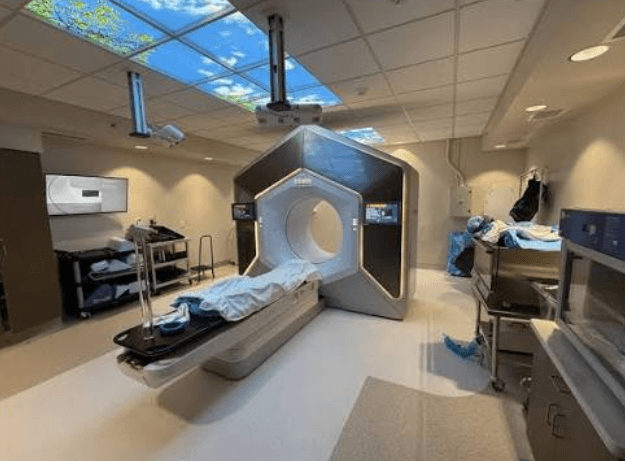
One fascinating application of AI in radiation detection is in medical fields. Hospitals use AI-powered systems to ensure that radiation levels during treatments are within safe limits, protecting both patients and healthcare workers. This kind of precision was unimaginable just a few years ago.
New materials redefine safety gear
When you think of radiation safety gear, what comes to mind? Bulky suits and heavy lead aprons, probably. But new materials are changing the game here too. Researchers are developing lightweight yet highly effective materials that offer better protection without the cumbersome weight. Imagine a jacket that’s as comfortable as your favorite hoodie but protects you from harmful radiation.
These new materials often incorporate elements like boron or carbon nanotubes, which have excellent shielding properties without adding extra weight. This innovation isn’t just about comfort; it’s about making safety gear more accessible and practical for everyday use. After all, people are more likely to wear protective gear if it’s not a hassle to put on.
And it’s not just clothing that’s evolving. Advances in materials science are also being applied to build better shielding for equipment and facilities. For instance, lightweight panels made from advanced composites can replace traditional lead walls in X-ray rooms or nuclear facilities, making construction easier and more cost-effective.
See also: Growing Your Business? Here’s How Bookkeeping Services Help
Real-time data transforms emergency response
Imagine being able to respond to a radiation leak almost instantaneously, thanks to real-time data feeds from smart sensors and AI analytics. This is no longer a pipe dream but a reality that’s transforming emergency response protocols worldwide. Real-time data allows for swift decision-making, which is crucial when dealing with hazardous materials.
Emergency responders can now access live data on their mobile devices, giving them up-to-the-minute information on radiation levels and affected areas. This allows them to coordinate their efforts more effectively and prioritize actions based on real-time insights. It’s like having a GPS for radiation hotspots!
The integration of real-time data has also led to the development of more sophisticated simulation tools for training purposes. Responders can now train using virtual scenarios that mimic real-world situations, enhancing their preparedness for actual emergencies. These simulations use live data to create realistic environments, ensuring that training is as close to reality as possible.
So there you have it—a glimpse into how smart tech is revolutionizing radiation detection. From IoT sensor networks and AI-driven analytics to innovative materials and real-time emergency response systems, the future looks brighter—and safer—than ever before.