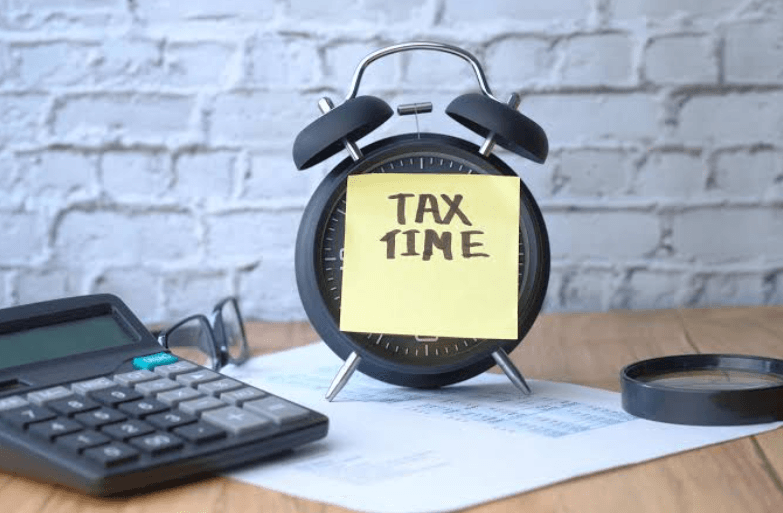
Every spring, the Canadian tax season brings with it the same mixture of both dread and a little bit of excitement that is associated with all mandatory annual duties. Most of us simply have two questions: 1. When must I file, and 2. What happens if I’m late? 2026 is identical to previous recent years-the key lies in the nuance, particularly if you are self-employed, have income earned by your spouse, or carry a balance due.
Getting the deadline right — and understanding the different deadlines for different categories of taxpayers — is the kind of practical knowledge that protects you from unnecessary penalties and interest. Abid Manzoor at Webtaxonline regularly guides individuals and families through the personal tax filing process and helps clients understand exactly where they stand before the clock runs out.
The Standard April 30 Deadline
If you are one of the many Canadians that falls into the category of a salaried worker, a retired person receiving a pension, a person with investment income, and most others without self-employment income, your 2025 tax return has a deadline of April 30, 2026.
Critically, April 30 is not just the filing deadline — it’s also the payment deadline for any balance owing. If you owe money to the CRA and you pay it after April 30, daily compound interest begins accumulating from May 1 onward. The interest rate is set quarterly and has been meaningfully higher in recent years as broader interest rates have risen. Waiting even a few weeks after the deadline adds real cost to whatever balance exists.
If April 30 falls on a weekend — which it does not in 2026, as it falls on a Thursday — the CRA typically extends the deadline to the next business day. But in 2026, there’s no such extension to rely on.
The June 15 Extension for Self-Employed Individuals
Your deadline to file will be June 15, 2026, if you or your spouse or common-law partner received self-employment income in 2025. Self-employment income has more components to calculate (your revenue and all business expenses), track and file with CRA and can be complex.
Now for the key distinction which most self-employed people fail to notice: the extension of filing deadline is NOT an extension for payments. If you owe $5000 in 2025, the payment is due on or before April 30, 2026, or by June 15, 2026. But in order for the extension to save you interest on your payment, you will need to owe $0 by the filing deadline. As if you owe $5000 to the tax authorities and file your taxes June 15, you will be in a situation where you will have charged approximately 45 days of compounding daily interest on $5000.
This distinction is worth repeating because it’s a genuine source of confusion and unnecessary cost for self-employed Canadians every year.
What Happens When You File Late
The late-filing penalty for personal income tax is structured similarly to the corporate equivalent. If you owe tax and file after the deadline, the CRA adds a penalty of five percent of the balance owing, plus one percent for each full month the return is overdue, up to a maximum of twelve months. The total maximum penalty is seventeen percent of the balance owing in the first year.
If you’ve been penalized for late filing in any of the previous three years and file late again, these rates double: ten percent upfront plus two percent per month for up to twenty months.
For Canadians who don’t owe anything — perhaps because sufficient tax was withheld at source, or because credits and deductions eliminate the balance — late filing doesn’t result in a financial penalty, though it can delay refunds and may create complications with benefit entitlements.
RRSP Contributions and the March 1 Deadline
If you contribute to your RRSP to lower your taxable income in 2025, the deadline for those contributions is March 1, 2026 (almost two months before the filing deadline of April 30th). You can either decide to have contributions made between January 1st and March 1st of the following year applied as either 2025 RRSP contributions or 2026 RRSP contributions – or a combination of both, depending on what benefits you most. However, you cannot make a last-minute RRSP contribution on April 30th and claim it as a contribution for the previous year. RRSP contributions close two months prior to tax-filing deadline.
Many Canadians wait to make all their RRSP contributions in February, leading to rushed decisions about how much to contribute. Instead, try contributing regularly throughout the year and then make a “top-up” contribution in early February once you have a better understanding of your tax liability for the year.
See also: Is Premier Temp Staffing Right for Your Business’s Needs?
Benefit Payments Tied to Filing
If your income tax return is not up to date, you risk losing some of the most significant federal and provincial benefit payments. These include the Canada Child Benefit, the GST/HST Credit, the Ontario Trillium Benefit and numerous other provincial benefit programs that calculate the amount of your payment based on your income tax return. If you haven’t filed, you may lose those benefit payments, and in the future, a recalculation could result in an unexpected repayment amount.
This is super important to remember especially for those in lower-income households. You need to claim your benefits every month! Whether you owe tax and are not going to receive a refund, filing your taxes on time is also an important step to receiving ongoing access to these benefits. This also provides important monthly income.
Planning Ahead of the Deadline
The best way to file personal taxes is to keep your documents as you receive them – T4s, T5s, T3s, RRSPs slips, donation receipts, etc. – and sort them throughout the year instead of scrambling in April. If you have rental or business income or foreign assets, it’s best to start with a professional in good time so you have a chance to answer their questions, find lost documents, and make final decisions before the doors shut.
Waiting until the last week of April to begin the process often results in stress, missed deductions, and the kind of rushed decisions that cost money either immediately or later when the CRA asks follow-up questions. The 2026 deadline is fixed — planning your approach to it is entirely within your control.
Conclusion
So there you have it, knowing the filing deadlines for personal income taxes in Canada is critical if you want to avoid pesky penalties, interest payments, and the suspension of your government benefits! No matter if you’re a wage earner, pensioner, investor or self-employed, knowing the difference between a filing deadline and a payment deadline can relieve a lot of headaches and dollars!
Filing on time, prepping all of your tax documents early and planning ahead for any RRSP contributions or tax payments can also contribute to a less complicated and accurate tax return. Along with professional tax support, businesses aiming to grow their digital reach can benefit from strategic online marketing solutions offered by Marketing Hikes.
For Canadians with complicated financial situations, hiring a professional for your tax return preparation can make all the difference in optimizing your deductions and staying compliant with CRA. Be prepared, stay informed and your 2026 tax return will feel that much easier!