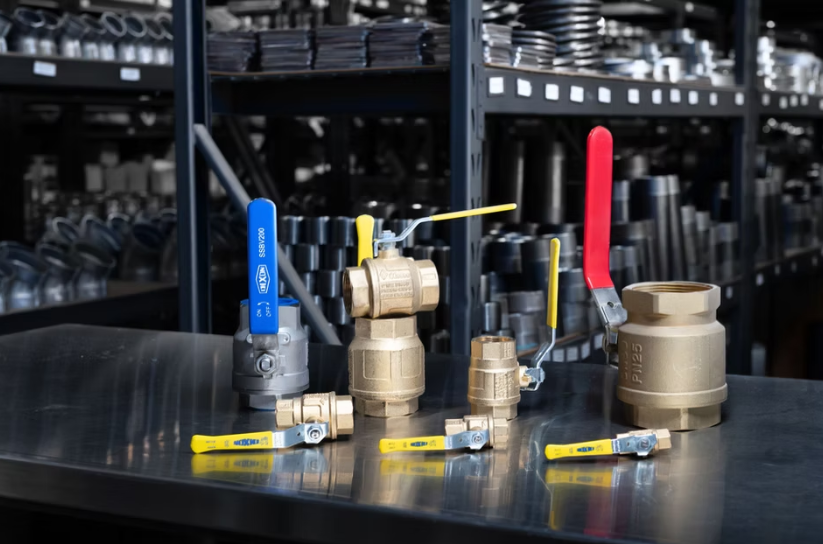
California’s diverse industrial landscape, from its bustling coastal regions to its seismic zones, presents unique challenges for the storage of various liquids and materials. Industrial tanks are critical infrastructure, and their integrity relies heavily on the quality of their fittings and the robustness of their seismic restraint systems. Ensuring the longevity and safety of these storage solutions requires careful consideration of factors such as corrosion resistance, earthquake preparedness, and proper installation techniques. This comprehensive guide delves into the essential aspects of industrial tank accessories, offering insights into how to select, install, and maintain tank fittings to meet California’s stringent safety and environmental standards. For a wide range of high-quality stainless steel tank fittings and seismic restraint systems designed for durability and performance, explore the offerings at Rhino Tank Fitting.
The demand for reliable industrial tank solutions in California is driven by various sectors, including agriculture, manufacturing, and chemical processing. Each application necessitates specific types of fittings and accessories that can withstand harsh operating conditions, corrosive substances, and the ever-present threat of seismic activity. Understanding the regulatory framework and best practices for tank installations in this region is not just about compliance; it’s about safeguarding assets, protecting the environment, and ensuring operational continuity.
The Critical Role of Industrial Tank Fittings
Industrial tank fittings are the unsung heroes of any storage system, acting as crucial connection points for filling, draining, venting, and monitoring tank contents. Their design and material composition are paramount to preventing leaks, maintaining product purity, and ensuring the overall safety of the storage unit. In environments where tanks hold hazardous chemicals or potable water, the failure of a single fitting can have catastrophic consequences.
Types of Tank Fittings
Various types of fittings serve different functions within an industrial tank system:
•Full Coupling Tank Fittings: These provide a secure, threaded connection for pipes, often used for inlets and outlets.
•Full Nipple Tank Fittings: Similar to full couplings but designed with external threads on both ends, facilitating connections to other threaded components.
•Boltless Tank Fittings: Engineered for easy installation and maximum leak protection, these fittings often feature a unique design that eliminates the need for traditional bolting, simplifying maintenance and reducing installation time.
•Gruvlok/ANSI Flange Fittings: Used for larger diameter connections, these provide a robust, leak-tight seal, especially in high-pressure or high-volume applications.
•Anti-Vortex Assemblies: Designed to prevent the formation of vortices during tank drainage, ensuring efficient emptying and preventing air entrainment.
•Gaskets: Essential for creating a watertight and chemical-resistant seal between fittings and the tank wall, available in materials like EPDM or Viton to suit different chemical compatibilities.
Each fitting plays a vital role, and their selection must be based on the specific application, the type of liquid being stored, and the environmental conditions.
Corrosion Resistance: A Must for California’s Coastal Zones
California’s extensive coastline and varied climate expose industrial infrastructure to significant corrosive elements. Salt spray, humidity, and chemical exposure can rapidly degrade standard materials, leading to costly failures and environmental hazards. Therefore, selecting tank fittings with superior corrosion resistance is not merely an option but a necessity.
The Advantage of Stainless Steel
Type 316L Stainless Steel is widely recognized as the material of choice for industrial tank fittings in corrosive environments. Its enhanced resistance to chlorides, compared to Type 304 stainless steel, makes it particularly suitable for coastal California applications . The
addition of molybdenum in 316L provides this superior protection against pitting and crevice corrosion, which are common in saltwater and chemical processing environments. This material ensures long-term performance and minimizes the risk of leaks and structural degradation.
Earthquake Safety: Seismic Restraint Systems in California
California is renowned for its seismic activity, making earthquake preparedness a paramount concern for any industrial facility with storage tanks. The California Building Code (CBC) and other state regulations mandate specific requirements for seismic restraint systems to prevent tanks from overturning, rupturing, or dislodging during an earthquake . These systems are crucial for protecting personnel, preventing environmental contamination, and ensuring the continuity of essential services.
Components of Effective Seismic Restraint
Effective seismic restraint systems for industrial tanks typically involve several key components:
•Anchoring: Tanks must be securely anchored to their foundations to prevent flotation and lateral movement. This often involves robust bolts, straps, or cables that connect the tank to a concrete pad designed to withstand seismic forces .
•Foundation Design: The foundation itself plays a critical role. It must be engineered to support the tank’s weight and resist seismic loads. For poly tanks, gravel foundation ring kits can provide a stable base while allowing for some flexibility during ground movement .
•Restraint Systems: These can include cable restraint systems, steel bands, or specialized bracing designed to hold the tank in place. The choice of system depends on the tank’s size, material, contents, and the anticipated seismic forces in the region.
•Flexibility in Connections: While tanks need to be restrained, the piping and fittings connected to them must also have a degree of flexibility to accommodate movement without fracturing. Flexible connectors, expansion joints, and carefully designed piping layouts are essential to prevent stress on fittings during seismic events.
Regular inspection and maintenance of seismic restraint systems are vital to ensure their effectiveness over time. Any signs of wear, corrosion, or damage should be addressed immediately.
Installation Tips for Tank Fittings and Storage Solutions
Proper installation is as critical as the quality of the fittings themselves. Even the most durable stainless steel fitting or robust seismic restraint system will fail if not installed correctly. Adhering to manufacturer guidelines and industry best practices is essential for optimal performance and safety.
Key Installation Considerations
•Surface Preparation: The tank surface where fittings are to be installed must be clean, smooth, and free from any debris or irregularities. This ensures a proper seal and prevents leaks.
•Gasket Selection and Placement: Choose gaskets that are compatible with the stored liquid and the fitting material. Ensure they are correctly seated and not over-tightened, which can cause deformation and compromise the seal.
•Torque Specifications: Follow the manufacturer’s recommended torque specifications for all bolts and fasteners. Over-tightening can damage fittings or tank walls, while under-tightening can lead to leaks.
•Thread Sealants: Use appropriate thread sealants for threaded connections to enhance leak prevention. Ensure the sealant is compatible with the stored substance.
•Alignment: Proper alignment of pipes and fittings is crucial to avoid stress on connections. Misalignment can lead to premature failure and leaks.
•Seismic Restraint Installation: Install seismic restraint systems according to engineering specifications and local building codes. This often involves precise measurements and secure anchoring to the foundation.
•Testing: After installation, thoroughly test the tank and all fittings for leaks. This may involve hydrostatic testing or pressure testing, depending on the tank’s contents and design.
•Professional Installation: For complex industrial tanks and seismic restraint systems, it is highly recommended to engage experienced professionals. Their expertise ensures compliance with regulations and optimal system performance.
See also: DIY vs. Hiring a Fountain Tech Company: Which is Right for Your Pond?
Maintaining Tank Fittings for Long-Term Performance
Beyond proper installation, regular maintenance is key to extending the lifespan of tank fittings and ensuring the continued safety and efficiency of storage solutions. A proactive maintenance schedule can identify potential issues before they escalate into costly problems.
Maintenance Best Practices
•Routine Inspections: Conduct regular visual inspections of all fittings, gaskets, and seismic restraint components. Look for signs of corrosion, cracks, leaks, or wear.
•Cleaning: Keep fittings clean and free from debris or chemical buildup that could accelerate corrosion or impede functionality.
•Gasket Replacement: Gaskets have a finite lifespan and should be replaced periodically, especially if they show signs of degradation or hardening.
•Torque Checks: Periodically re-check the torque on bolts and fasteners, as vibrations or temperature fluctuations can cause them to loosen over time.
•Corrosion Monitoring: In highly corrosive environments, implement a corrosion monitoring program to track the condition of metal components and plan for timely replacements.
•Documentation: Maintain detailed records of all inspections, maintenance activities, and repairs. This documentation is valuable for compliance and troubleshooting.
The Importance of Quality and Compliance in California
In California, the stakes for industrial tank storage are particularly high due to stringent environmental regulations and the ever-present seismic risk. Choosing high-quality, durable tank fittings and implementing robust seismic restraint systems are not just good practices; they are legal and ethical imperatives. Companies that prioritize these aspects demonstrate a commitment to safety, environmental protection, and operational excellence.
Investing in superior stainless steel tank fittings and professionally installed seismic restraint systems pays dividends in the long run by reducing maintenance costs, preventing costly spills, and ensuring compliance with state regulations. It also provides peace of mind, knowing that your industrial storage solutions are built to withstand the unique challenges of the California environment.
For businesses operating in California, understanding the nuances of industrial tank accessories, corrosion resistance, earthquake safety, and installation best practices is paramount. By partnering with reputable suppliers and installers, and by committing to ongoing maintenance, companies can ensure their storage tanks remain safe, efficient, and compliant for years to come. For more information on durable and corrosion-resistant tank fittings and seismic restraint systems, visit Rhino Tank Fittings.