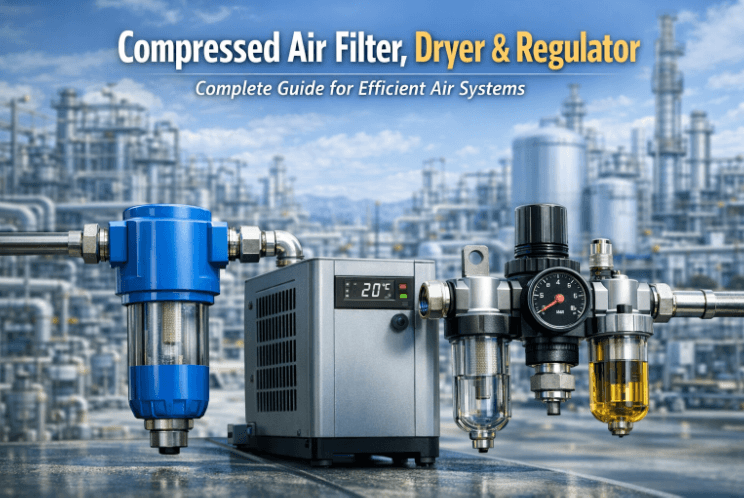
Compressed air systems are essential in a wide range of industries, from manufacturing to automotive workshops. However, the efficiency and longevity of these systems depend heavily on the quality of the air being used. Contaminants like moisture, oil, and dust can cause equipment damage, reduce performance, and increase maintenance costs. This is where a compressed air filter dryer regulator plays a critical role. In this guide, we will explore how these components work together to ensure a clean, dry, and well-regulated airflow.
Understanding Compressed Air Filters
A compressed air filter is the first line of defense in an air system. Its primary role is to remove contaminants such as dirt, oil, and water from compressed air. These impurities can enter the system through the compressor or from external sources, and if left untreated, they can damage sensitive equipment like pneumatic tools and valves.
Filters come in various types, including particulate filters, coalescing filters, and activated carbon filters. Particulate filters remove solid particles, coalescing filters handle oil aerosols and fine water droplets, while activated carbon filters can eliminate odors and certain vapors. Choosing the right filter depends on the application and the level of air purity required.
Regular maintenance of filters is essential. A clogged filter reduces airflow, increases energy consumption, and can lead to compressor strain. Monitoring differential pressure across the filter helps determine when cleaning or replacement is necessary.
The Importance of Air Dryers
Even after filtration, compressed air often contains moisture, which can cause corrosion, freezing, and other operational issues. Air dryers are designed to remove this moisture and ensure that the air remains dry and stable throughout the system.
There are several types of air dryers, including refrigerated, desiccant, and membrane dryers. Refrigerated dryers cool the air to condense and remove water, making them suitable for most general industrial applications. Desiccant dryers use hygroscopic materials to absorb moisture, providing very dry air for sensitive processes. Membrane dryers use semi-permeable materials to separate water vapor from compressed air and are typically used for smaller systems or point-of-use applications.
Selecting the right air dryer ensures that equipment performs optimally and reduces the risk of system failures caused by water accumulation.
How Regulators Maintain Consistent Air Pressure
A regulator is an essential component that maintains consistent air pressure throughout the system. Without a regulator, pressure fluctuations can damage equipment, affect product quality, and reduce energy efficiency.
Regulators work by adjusting the flow of compressed air to achieve a set output pressure. Many systems include a combined unit of filter, dryer, and regulator, allowing for a compact setup that provides clean, dry, and regulated air in a single assembly.
Properly adjusted regulators ensure that pneumatic tools operate smoothly and efficiently. It is also important to regularly check the regulator settings, as improper pressure can lead to excessive wear on equipment or inconsistent performance.
Benefits of a Combined Compressed Air Filter Dryer Regulator
Using a combined compressed air filter dryer regulator offers several advantages over separate components. Firstly, it simplifies installation and reduces the footprint of the air system. This is particularly useful in workshops or industrial spaces with limited room.
Secondly, combining these functions minimizes pressure drops and energy loss, ensuring that air is delivered efficiently to tools and equipment. Maintenance is also more straightforward, as all critical components are accessible in one unit, making it easier to monitor performance and schedule service.
Furthermore, integrated systems reduce the risk of incorrect installation or mismatched components, which can compromise air quality and system reliability. By using a combined unit, operators can be confident that air is filtered, dried, and regulated correctly every time.
Key Considerations When Choosing a Unit
Selecting the right compressed air filter dryer regulator requires careful consideration of several factors. First, consider the required air flow rate and system pressure. A unit that is too small will restrict airflow and reduce system efficiency, while an oversized unit may be unnecessarily costly.
Second, evaluate the level of air purity needed. Applications such as food processing or pharmaceutical production require higher-grade filtration and drying than general manufacturing. Check the specifications for particle removal, moisture content, and oil removal to ensure the unit meets the required standards.
Third, consider the maintenance requirements and accessibility. Units with easy-to-replace filter elements and condensate drains reduce downtime and make it easier to maintain consistent performance. Reliability, durability, and compatibility with existing piping and fittings should also influence the selection.
Installation Tips for Optimal Performance
Proper installation is crucial for a compressed air filter dryer regulator to function effectively. Always follow manufacturer guidelines regarding orientation, flow direction, and pressure limits. The unit should be installed close to the point of use to minimize the risk of moisture or contaminants re-entering the system after treatment.
It is also important to install appropriate drainage and ensure condensate is removed regularly. For refrigerated and desiccant dryers, maintain clearance around the unit for airflow and access during service. Using quality fittings and ensuring leak-free connections will help maintain system efficiency and prolong the life of the unit.
Maintenance Practices for Longevity
Routine maintenance of a compressed air filter dryer regulator is essential to keep the system running efficiently. Regularly inspect filters and replace them when differential pressure indicates clogging. Check the dryer performance and clean or replace desiccant or refrigerant components as needed.
Drain traps and condensate outlets must be monitored to prevent water accumulation. Regulators should be checked for accurate pressure settings, and any worn or damaged components should be replaced promptly. Keeping a maintenance log ensures that all tasks are performed on schedule and helps identify potential issues before they affect production.
Common Problems and Troubleshooting
Even with proper installation and maintenance, compressed air systems can encounter issues. Common problems include pressure drops, moisture in the air supply, and oil carryover.
Pressure drops may result from clogged filters, undersized components, or leaks in the piping. Moisture in the system can indicate dryer failure, incorrect settings, or blocked drainage. Oil carryover often points to compressor issues or a saturated coalescing filter. Addressing these problems promptly prevents damage to tools and reduces downtime.
When troubleshooting, always isolate the problem to the specific component—filter, dryer, or regulator—before making adjustments. This ensures that issues are resolved efficiently without compromising other parts of the system.
Maximizing Efficiency in Industrial Systems
Using a compressed air filter dryer regulator effectively improves energy efficiency and operational performance. Clean, dry, and properly regulated air reduces wear on pneumatic tools, prevents production delays, and lowers maintenance costs.
Operators can further optimize performance by monitoring system pressure, minimizing leaks, and scheduling regular maintenance. Energy-efficient compressors paired with well-maintained treatment units create a reliable and cost-effective air supply, enhancing overall productivity.
Enhancing Productivity with Integrated Solutions
Investing in a high-quality compressed air filter dryer regulator not only protects equipment but also contributes to smooth workflow and improved product quality. By ensuring consistent air pressure and eliminating contaminants, businesses can focus on production without worrying about air system failures.
Modern integrated units often include features such as automatic drain systems, pressure gauges, and modular filter elements, making them easy to use and maintain. For companies looking to streamline operations, these solutions offer both convenience and performance benefits.
Read also: Communication Challenges in Technology
Moving Forward with Reliable Air Systems
A well-designed air system begins with the right components. Choosing a reliable compressed air filter dryer regulator is a strategic investment that ensures clean, dry, and consistent airflow. By understanding the function of each component, maintaining them properly, and selecting the appropriate unit for your needs, you can maximize efficiency and protect your equipment.
Investing time in choosing the correct setup pays off with reduced downtime, lower maintenance costs, and better overall system performance. Clean, dry, and regulated air is not just a technical requirement—it’s a foundation for operational excellence.